Educational Leader & Researcher
Dr. Saira
Ali
Ed.D., Instructional Leadership — St. John’s University
Dedicated to transforming educational systems through research, compassionate leadership, and evidence-based practice. Bridging scholarship and community to create lasting educational impact.
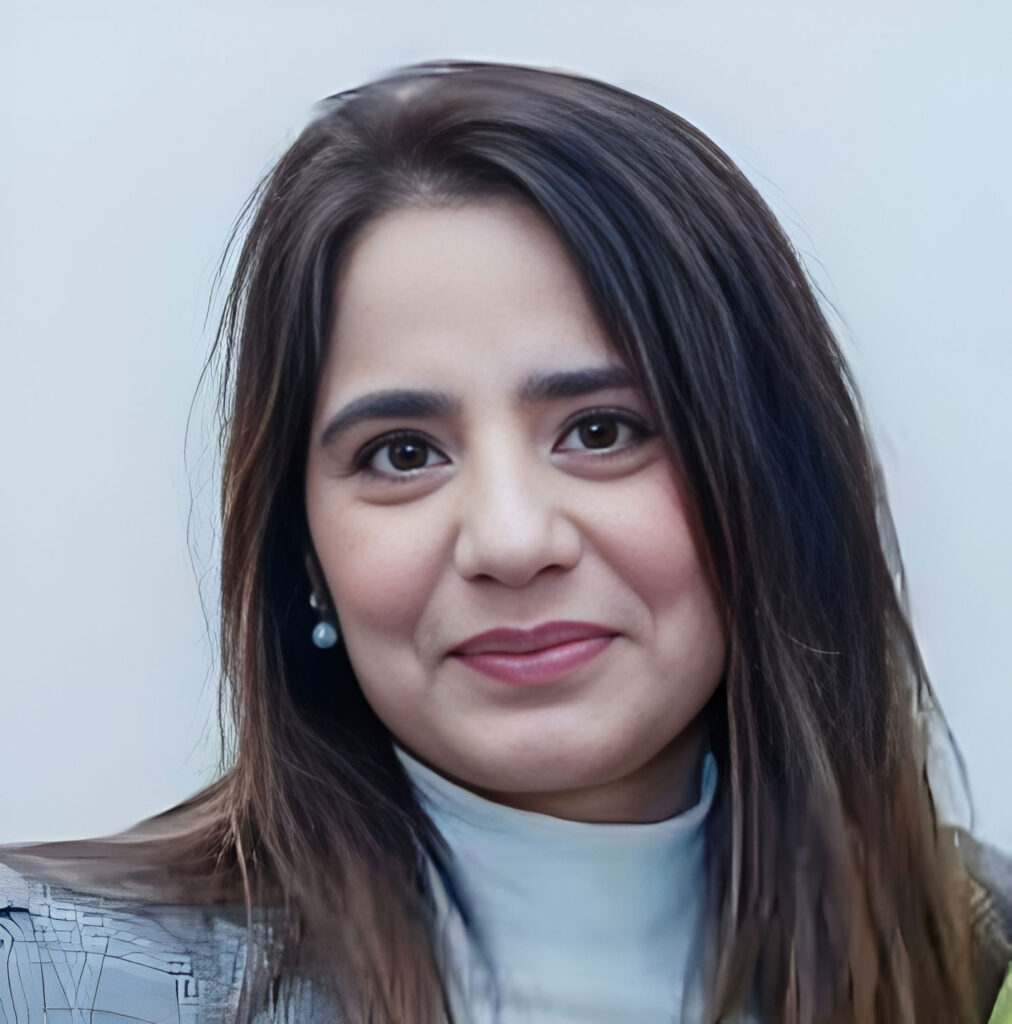
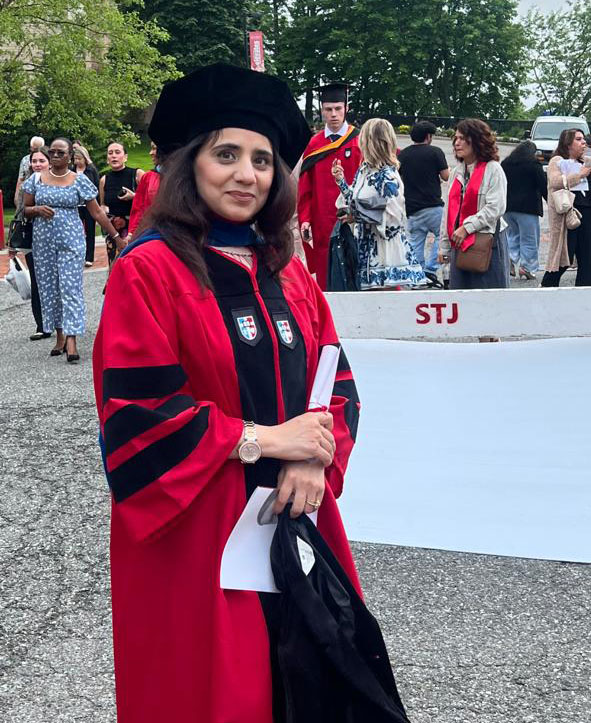
- About Dr. Saira Ali
Shaping Education Through Leadership
Dr. Saira Ali is an educational leadership scholar, researcher, and practitioner based in Hicksville, New York. Her work centers on instructional leadership, organizational change, curriculum development, and the sustainable development of educational workforces.
With a career spanning academic coordination, doctoral research, and community outreach, Dr. Ali brings both scholarly rigor and lived experience to her practice. Her doctoral dissertation explored the impact of leadership styles on teacher job satisfaction in Pakistani private schools, contributing meaningful insights to the global conversation on school improvement.
She is deeply committed to building bridges between research and real-world educational contexts — empowering teachers, institutions, and communities to thrive.
Operational Delivery: The 10-Phase Blueprint
The operational foundation for launching and scaling compliant healthcare training facilities is codified in the Helping Hands Training Institution Development Framework:
Phase | Phase Name | Strategic Focus and Key Milestones |
Phase 1 | Strategic Planning & Business Development | Define mission, ownership structure, initial operating budget, risk assessment, and program offerings. |
Phase 2 | Regulatory Affairs & BPSS Compliance | Prepare BPSS licensing applications, establish compliance recordkeeping, and draft foundational institutional policies. |
Phase 3 | Facility Development | Secure facility space, layout administrative offices, and construct dedicated clinical skills simulation laboratories. |
Phase 4 | Academic & Curriculum Development | Implement BPSS-approved CBE curricula for CNA, HHA, and PCA tracks, student handbooks, and skills evaluation rubrics. |
Phase 5 | Staffing & Human Resources | Hire qualified Program Directors, RN Nurse Instructors, admissions officers, and administrative personnel. |
Phase 6 | Operational Systems & Administration | Deploy Student Information Systems (SIS), attendance tracking, scheduling workflows, and financial accountability controls. |
Phase 7 | Clinical Affiliations & Partnerships | Execute formal clinical affiliation agreements with home care agencies, nursing homes, and health systems. |
Phase 8 | Marketing & Student Recruitment | Establish brand identity, community outreach pipelines, and sustainable recruitment strategies. |
Phase 9 | Institution Launch & Readiness | Conduct operational readiness audits, staff orientation, cohort enrollment, and formal program launch. |
Phase 10 | Continuous Compliance & Expansion | Execute ongoing QA audits, track performance metrics via PDSA cycles, and plan multi-state program replication. |
Dr. Saira Ali, Director of Education and Research at Home Health Aide Training Institute (HHATI), in the development and implementation of structured instructional systems that have significantly improved student outcomes, program completion, and state exam readiness.
This report presents measurable outcomes and institutional impact resulting from the development and implementation of structured instructional systems led by Dr. Saira Ali. These systems were designed to improve student performance, strengthen curriculum delivery, increase graduation rates, and enhance readiness for state certification examinations.
The implemented systems represent a transition from traditional instructional methods to a structured, data-driven, and scalable model of vocational education.
These systems include:
- A structured Google Classroom exam preparation platform
- A state-approved student portal system
- Curriculum-aligned scheduling models across all training programs
- Observation tool for quality assurance of curriculum
Impact
- Improved consistency in instruction
- Increased predictability in student outcomes
- Enhanced support for diverse learning needs
- Improved accountability in curriculum delivery
- Standardization of classroom quality assurance procedures
The instructional systems and academic support structures implemented under Dr. Saira Ali’s leadership have contributed to measurable workforce preparation outcomes within HHATI’s healthcare training programs.
Documented outcomes include:
- 179 CNA students supported through structured learning systems
● 58 confirmed CNA state exam pass outcomes across current and prior cohorts
● 87.33% average academic performance within the Google Classroom preparation system
● 97% graduation rate across institutional training programs
● Structured remediation and performance tracking systems supporting ongoing exam preparation
Key Contributing Factors
- Structured scheduling aligned directly with curriculum requirements
- Ensuring all required topics are fully covered within program timelines
- Improved pacing and organization of instruction
- Increased accountability among instructors
- Consistent delivery of content across all programs
- Academic Credentials
Education
Dissertation: Impact of Different Leadership Styles on Job Satisfaction of Private Sector School Teachers in Pakistan
Beaconhouse National University 2015
Dissertation: Developing life long learning skills in students at university level.
Gender Studies
University of the Punjab 2011
Dissertation: Gender studies regarding Halala culture in Pakistan.
Commerce
University of the Punjab 2003
- Professional Journey
Experience
Home Health Aide Training Institute (HHATI)
- Designed a curriculum-aligned Google Classroom platform for New York State CNA exam preparation, including mock exams, remediation, competency reinforcement, and performance monitoring.
- Supported 179 CNA students, achieving an average academic performance score of 87.33% and strengthening certification and workforce readiness.
- Implemented scheduling systems across CNA, HHA, PCA, and PCA-to-HHA Bridge Programs, contributing to a 97% institutional graduation rate.
- Developed academic support and instructional monitoring frameworks that contributed to 58 documented CNA state certification examination passes.
- Led development of a NYS-approved student portal and supported workforce preparation for over 7,000 healthcare aides, approximately 80% of whom received employment and placement support.
2024 – 2025
Observer, Project Wings
St. John’s University
- Conducted structured instructional observations to evaluate teaching effectiveness, learner engagement, curriculum delivery, and overall classroom performance.
- Supported program evaluation initiatives by analyzing educational outcomes, identifying performance gaps, and recommending evidence-based improvements.
- Contributed to educational quality assurance efforts that strengthened curriculum alignment, instructional consistency, and student learning experiences.
- Participated in research and organizational learning initiatives to inform program development, institutional decision-making, and best practices.
- Assisted with academic assessment and continuous improvement projects, using performance data and stakeholder feedback to enhance program effectiveness.
St. John’s University
- Conducted advanced educational research focused on instructional effectiveness, student achievement, program quality, and evidence-based educational practices.
- Designed and supported program evaluations using qualitative and quantitative data to assess outcomes and guide institutional improvement.
- Collaborated with faculty, administrators, and stakeholders to develop research-informed strategies that strengthened teaching, learning, and curriculum delivery.
- Contributed to scholarly publications, presentations, policy discussions, and organizational learning initiatives within diverse educational settings.
- Provided leadership in assessment and continuous improvement projects, translating research findings into practical recommendations for educational reform.
2014 – 2020
Academic Program Coordinator
Beaconhouse National University
- Coordinated academic programs, course schedules, faculty assignments, and semester activities to ensure efficient and timely program delivery.
- Supported curriculum planning, academic quality assurance, and program evaluation in alignment with university policies and educational standards.
- Monitored student progress, maintained academic records, and provided guidance on course requirements, registration, and degree completion.
- Collaborated with faculty, department leadership, and administrative teams to resolve academic issues and strengthen the student experience.
- Organized meetings, workshops, examinations, and academic events while preparing reports and recommendations for continuous program improvement.
9th Annual Leadership Symposium & Conference / Workshop Organizer
- alignment with the conference’s mission and objectives.
- Coordinated keynote speakers, workshop facilitators, panel discussions, schedules, and participant engagement across the event.
- Designed and facilitated leadership workshops that promoted professional development, collaboration, innovation, and reflective practice.
- Managed cross-functional teams, event logistics, communications, and stakeholder relationships to ensure seamless conference execution.
- Evaluated participant feedback and event outcomes to identify improvements and strengthen the impact of future leadership programs.
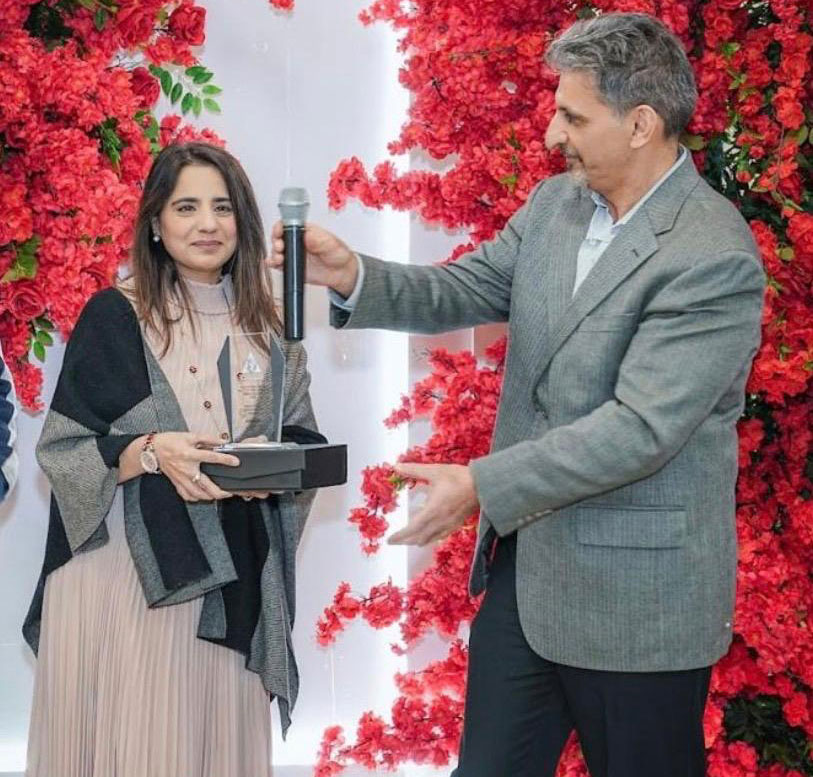
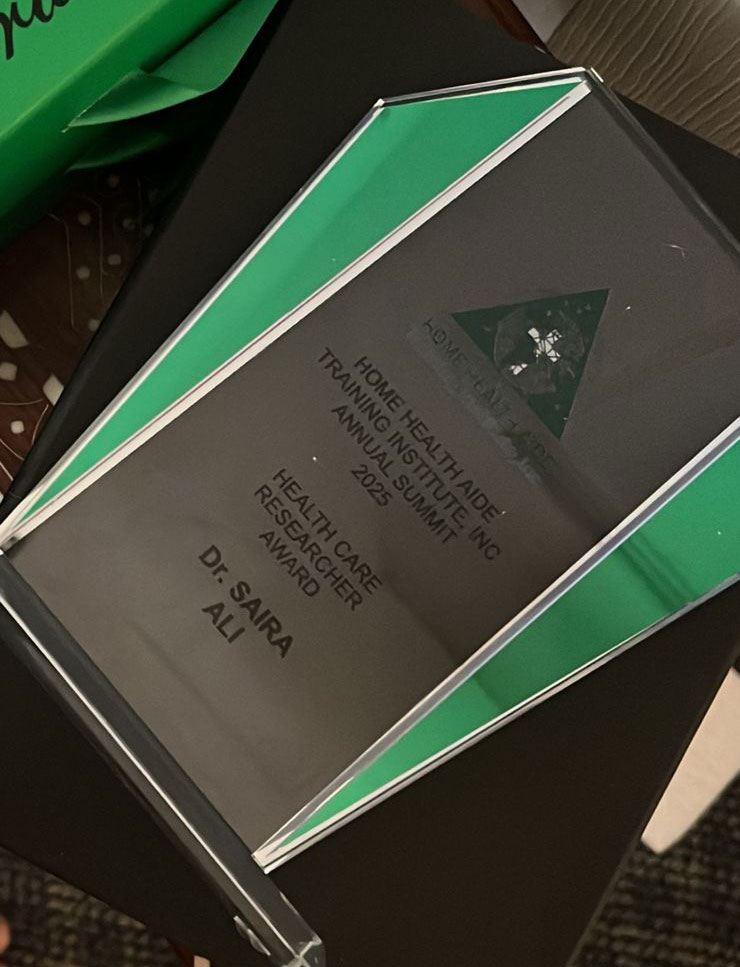
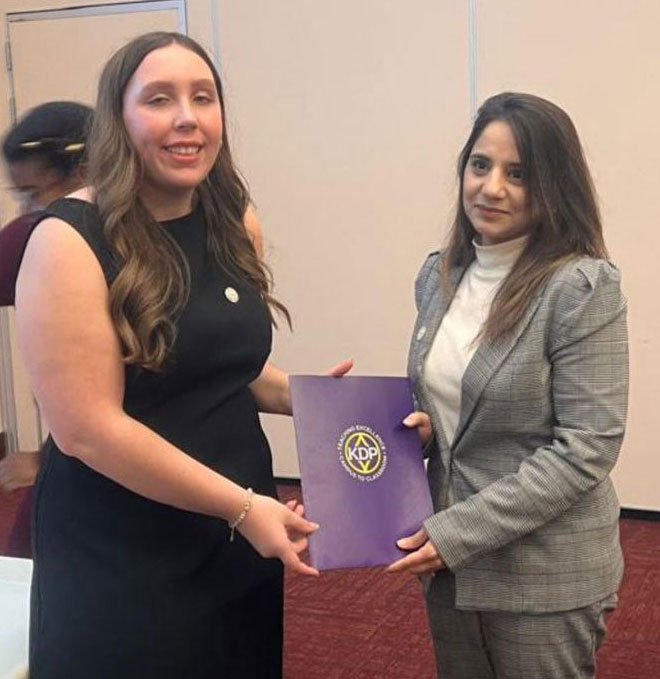
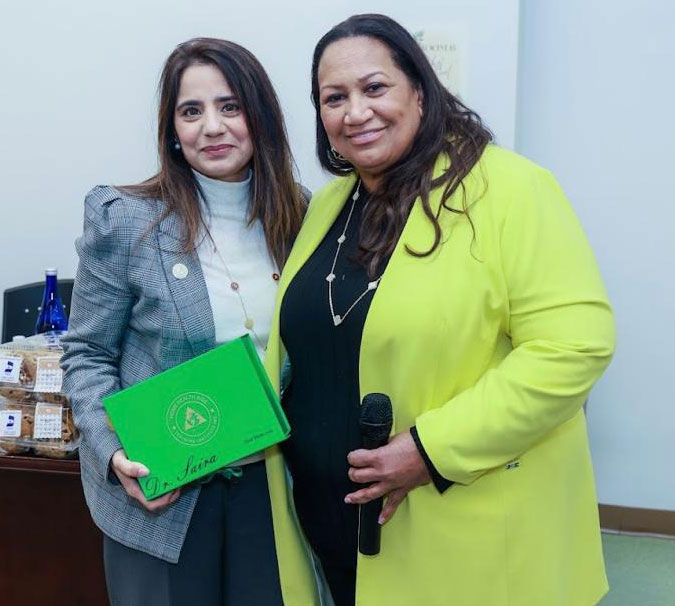
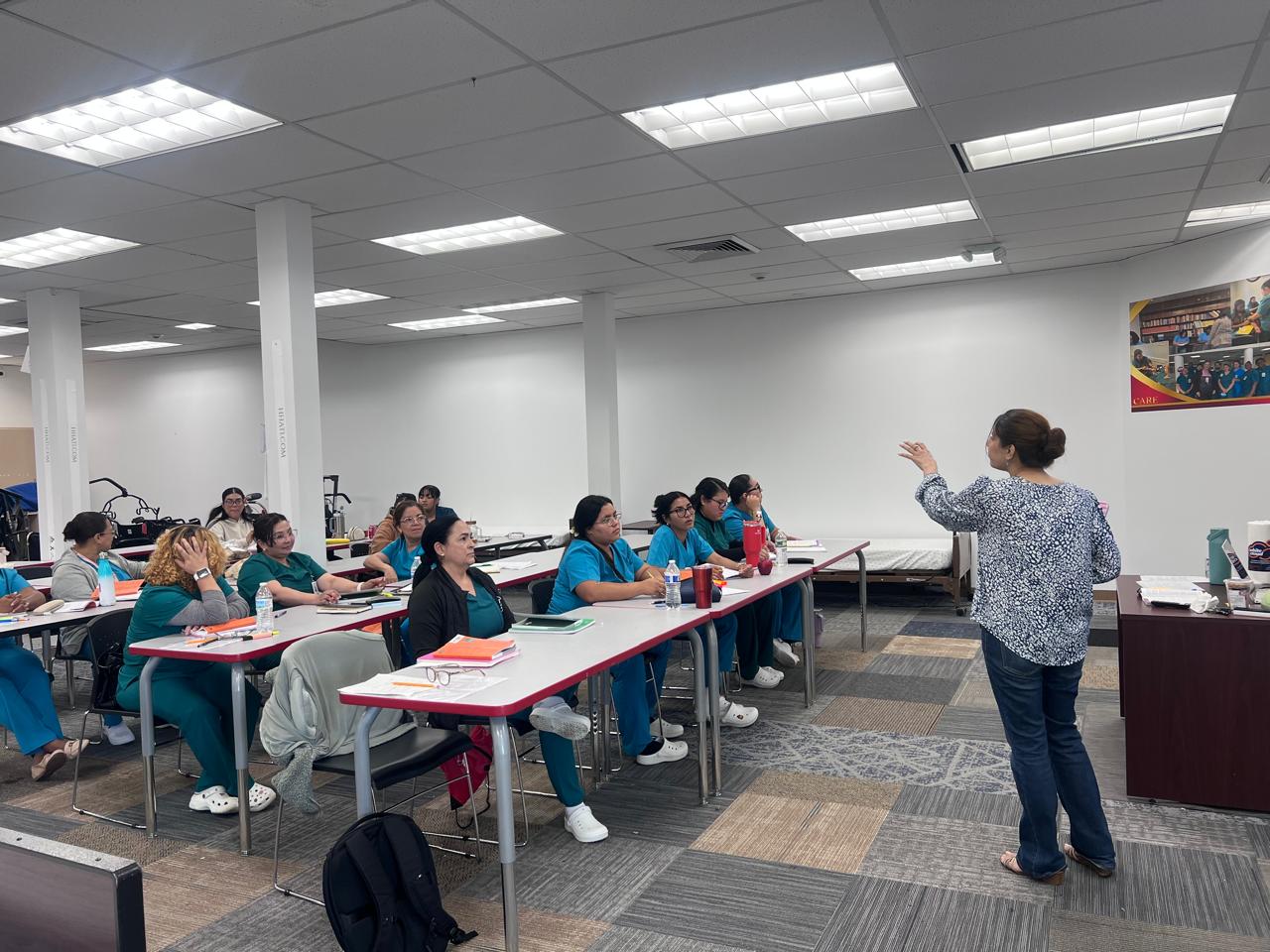
- Scholarly Work
Research & Publications
Published · 2026
Research Interests
- Community Outreach & Presentations
- Professional Development
Certifications & Training
- HSR for Social & Behavioral Faculty, Graduate Students & Postdoctoral Scholars
- CLASS Observation Certification
- Senior Program Coordinator Certification
- Learners Psychology Training
- Pedagogical & Environmental Education Workshop
- Soft Skills Development Training
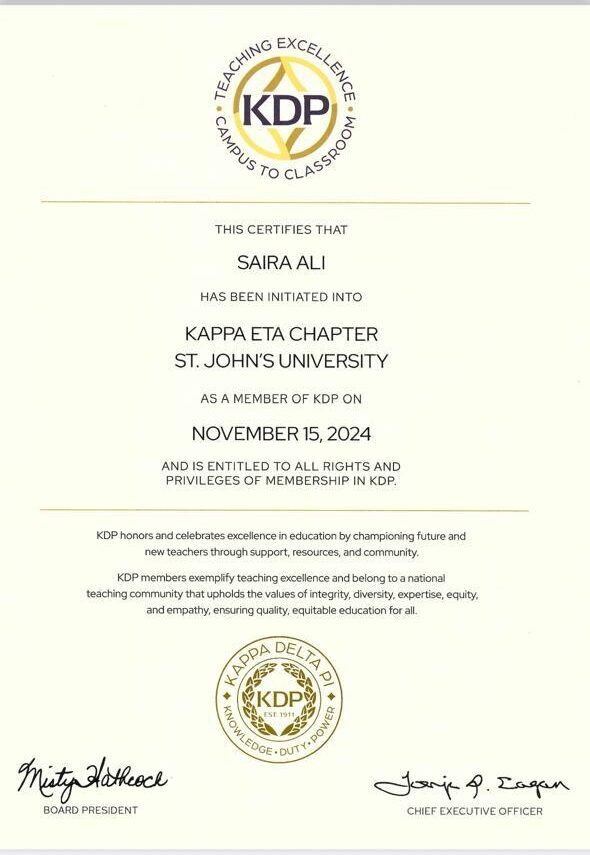
Memberships
Dr. Saira Ali welcomes opportunities for collaboration, speaking engagements, research partnerships, and educational consulting. Feel free to reach out.
- Get In Touch
Contact
"Education is not preparation for life; education is life itself."
Dr. Saira Ali brings over a decade of dedication to transforming educational environments — from Lahore to New York — guided by the belief that every learner deserves empowered, research-driven leadership.